Quick answer
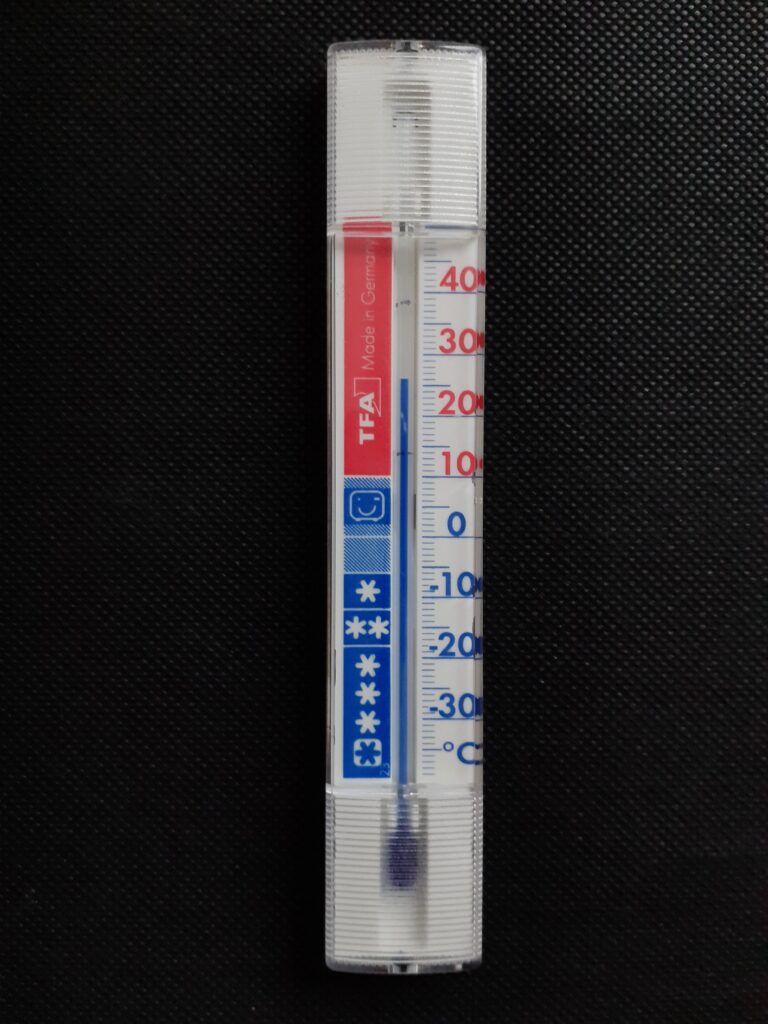
Open your meal kit immediately, inspect individual packages and check refrigerated ingredients with a food thermometer. Do not eat perishable food that arrives above 40°F: USDA’s mail-order guidance says to notify the company and not consume or taste it. Refrigerate acceptable items promptly. Keep leaking packages away from other ingredients, and do not use food whose packaging or condition raises a safety concern. Document the problem for customer support—but make the safety decision before waiting for a refund response. (fsis.usda.gov)
1. Open the box before choosing tonight’s recipe
When a refrigerated meal kit arrives, your first job is checking the delivery—not sorting recipe cards or contacting support. USDA recommends opening foods marked “Keep Refrigerated” immediately and checking their temperature. FDA also advises tracking deliveries so food does not sit unnoticed on trucks or doorsteps. (govinfo.gov)
Have a food thermometer, a clean work area and refrigerator space ready. Inspect the box where a spill will be easy to contain rather than spreading all the ingredients across your kitchen.
Check in this order:
- Look at the shipping box and insulation.
- Inspect individual ingredient packages.
- Measure refrigerated food temperatures.
- Put acceptable perishables away.
- Finish documenting and reporting any problem.
A crushed corner is a reason to examine the contents carefully, not a complete safety assessment. Conversely, an undamaged carton does not establish that refrigerated ingredients stayed cold. FDA’s delivery checklist treats packaging, leaks and temperature as separate checks. (fda.gov)
Keep a simple record of when the delivery notification arrived and when you opened the box. If tracking information is incomplete, record that uncertainty rather than guessing how long the box was outside.
2. Inspect food packages, not just the cardboard
FDA flags wet, ripped, torn or dirty packaging as a possible safety concern and says individual items should not be leaking. Look beyond the outer carton: inspect meat pouches, sauce containers, dairy packages and bags of produce. (fda.gov)
For each suspicious item, ask:
- Is the food package itself intact?
- Is liquid coming from inside a food package?
- Has that liquid reached another ingredient?
- Is an exposed food involved, or only an exterior wrapper?
- Can you identify the source of the liquid?
Do not assume every wet spot is harmless condensation. If you cannot distinguish water from leaking food juices, treat the affected area cautiously and keep it away from clean ingredients.
Temperature and packaging answer different questions. A cold reading does not rule out contamination from leaking raw meat. USDA explains that raw poultry juices can spread bacteria to foods eaten without further cooking, including salad. (fsis.usda.gov)
You also do not need to declare every item in the box unsafe merely because one package has a problem. Assess separately packaged, unaffected items individually. If you cannot determine which foods were exposed, do not guess; FDA advises against eating food that has not arrived well packaged and at safe temperatures. (fda.gov)
3. Measure the food temperature—not the ice pack
USDA’s mail-order guidance says refrigerated food should arrive refrigerator-cold and that perishables arriving above 40°F should not be consumed. An ice pack, the air inside the carton or the outside of the box is not a substitute for checking the food. (fsis.usda.gov)
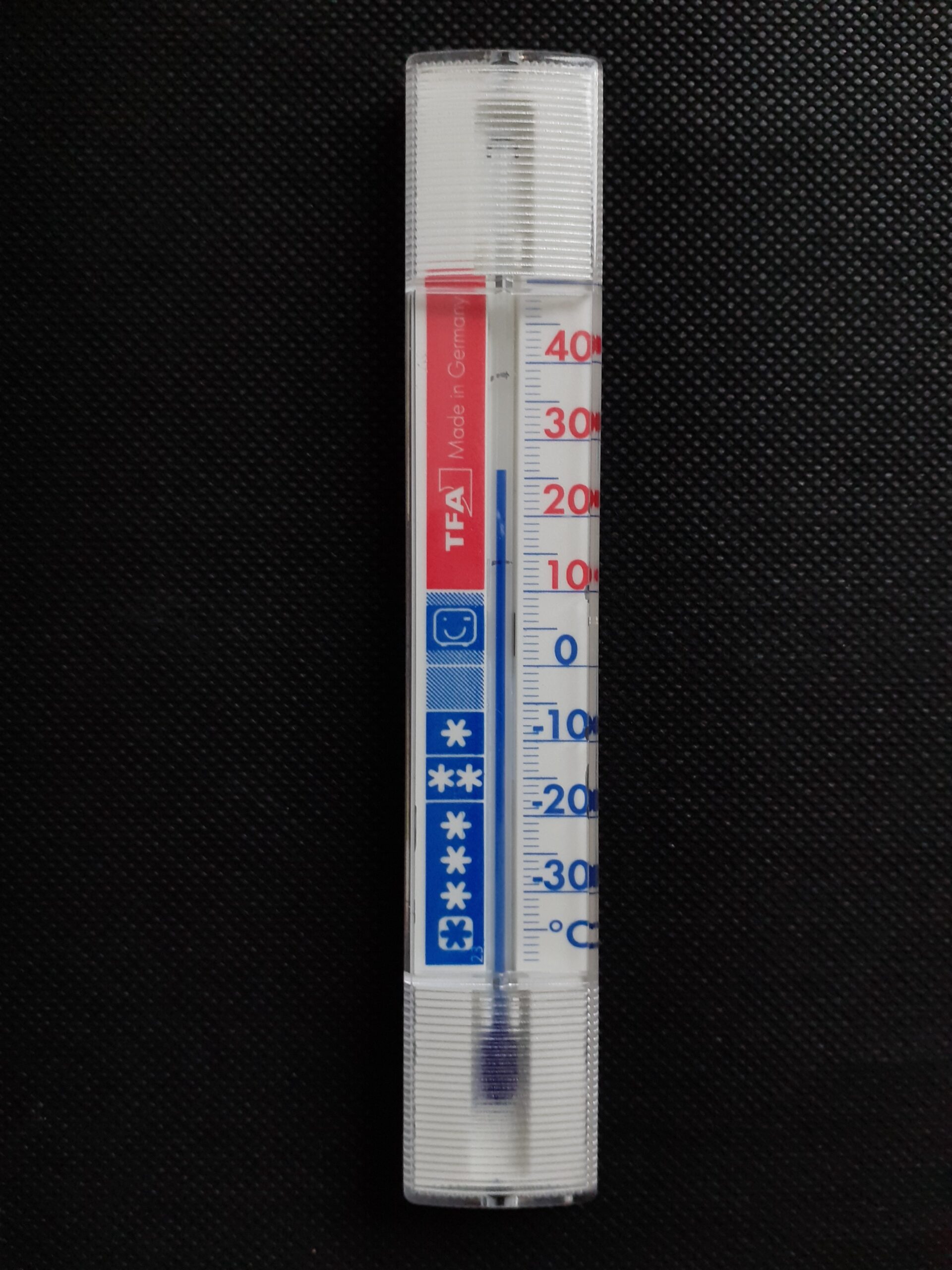
Use a food thermometer according to its instructions, including the required probe placement and reading time. Different thermometer designs have different sensing areas; do not assume every probe works correctly with only its tip inserted. Wash the thermometer with hot, soapy water, or as directed by its manufacturer, between uses. (fsis.usda.gov)
For practical checking:
- Measure refrigerated ingredients promptly, before chilling changes their arrival temperature.
- Check more than one item rather than treating a single reading as the whole box’s condition.
- Record which food you measured, the reading and the time.
- If a reading seems inconsistent, check again using the thermometer’s instructions.
- Do not taste food to decide whether it is safe.
Food can contain harmful bacteria without a warning smell, taste or appearance. A normal smell is therefore not permission to use a questionable ingredient. (govinfo.gov)
If you do not have a thermometer, you cannot provide a measured arrival temperature. Do not invent one for customer support. Explain that limitation, and do not eat clearly warm perishables or food whose safety you cannot reasonably establish.
4. Handle a delayed delivery without misusing the two-hour rule
A delivery delay is a warning to inspect carefully, not a temperature measurement. Check the food’s condition when you receive it. Frozen food that still contains ice crystals, or is 40°F or below, can generally be refrozen or cooked if otherwise safe. (fda.gov)
For refrigerated mail-order perishables, follow the arrival guidance: if they measure above 40°F, do not consume them. Do not use the household two-hour rule to grant an already-warm shipment “another two hours.” Its previous temperature history may be unknown. (fsis.usda.gov)
FDA’s household guidance limits time at room temperature to two hours, or one hour when the air temperature is above 90°F. Those limits do not mean you can calculate a shipped ingredient’s warm exposure from the delivery notification alone. (fda.gov)
Illustrative delayed-box example: Suppose a delivery arrives a day later than expected. Its chicken measures 46°F, and its refrigerated dairy ingredient measures 45°F immediately after opening. These are hypothetical readings, not results from a tested subscription. Both exceed USDA’s arrival threshold: do not cook or taste those ingredients, and report the readings. Inspect remaining items individually rather than declaring them safe because they shared the box. (fsis.usda.gov)
If the chicken instead measures 38°F with intact packaging and no other safety concerns, the delay alone does not establish that it must be discarded. Refrigerate it promptly, while recognizing that one reading cannot reconstruct its entire journey.
5. Contain leaking raw meat and protect ready-to-eat foods
If you find a leaking meat pouch, stop unpacking through the spill. Keep it separate while you identify affected ingredients. Raw meat and poultry juices must be kept away from ready-to-eat foods and clean preparation surfaces. (fsis.usda.gov)
Illustrative leaking-chicken example: A chicken pouch has split, and its liquid has soaked through a paper bag onto loose salad leaves. Even if the chicken is cold, the salad has a separate contamination problem. The cautious action is to discard the exposed salad and not use the compromised chicken package. This applies FDA’s packaging warnings and USDA’s guidance about poultry juices contacting salad; it is not a claim about a particular provider’s refund policy. (fda.gov)
Do not rinse raw chicken to try to fix the problem. USDA advises against washing raw meat and poultry because splashing can spread bacteria around the kitchen. (fsis.usda.gov)
After containing the leak:
- Wash hands with soap and water.
- Clean utensils and surfaces that contacted raw juices with hot, soapy water.
- Clean the thermometer before checking another food.
- Keep unaffected ingredients away from contaminated packaging. (ask.fsis.usda.gov)
An intact outer wrapper may protect the food inside, but handling a contaminated wrapper can still spread the spill. Where the extent of exposure is unclear, describe that uncertainty to support rather than assuming everything is unaffected.
6. Refrigerate acceptable food and plan the cooking order
Once an ingredient passes the arrival checks, put it away promptly. Keep the refrigerator at 40°F or below and the freezer at 0°F or below, verified with appliance thermometers. Do not rely solely on the refrigerator’s numbered control dial. (fda.gov)
Keep raw meat, poultry and seafood separate from ready-to-eat ingredients in covered containers or sealed storage bags. Avoid overpacking the refrigerator so cold air can circulate. (fda.gov)
For ingredients that arrived safely and have been properly refrigerated, FoodSafety.gov lists these general storage limits:
| Ingredient | General refrigerator storage limit |
|---|---|
| Raw chicken or turkey pieces | 1–2 days |
| Ground meat or ground poultry | 1–2 days |
| Beef, pork, lamb or veal steaks and chops | 3–5 days |
| Cooked meat or poultry leftovers | 3–4 days |
These are general household limits, not a freshness guarantee for a specific meal kit. Follow applicable package instructions and plan around the shorter relevant storage window. (foodsafety.gov)
For example, cook safely received chicken before a steak recipe if your schedule would otherwise leave the chicken refrigerated too long. Freeze suitable ingredients while still safe if you cannot use them within the appropriate window.
Do not confuse cold storage with repair. Freezing does not kill most bacteria, and cooking cannot reliably rescue temperature-abused food: some organisms produce toxins that survive cooking. (fda.gov)

7. Report the problem without waiting for permission to discard it
Make two separate decisions:
- Food safety: whether an ingredient should be eaten.
- Customer service: whether the provider offers a refund, credit or replacement.
USDA tells recipients to notify the company when perishable deliveries arrive warm. It does not say to eat the food while waiting for a response. (govinfo.gov)
For a useful report, gather:
- Order number and delivery date.
- Delivery notification and box-opening times.
- Names of affected ingredients.
- Temperature readings, with the foods measured identified.
- Photos of damage, leaks, labels and packaging.
- Tracking information showing any delay.
- A clear statement of what you discarded and why.
Take photographs promptly, without leaving acceptable perishables out for an extended photo session. Keep the written exchange and any promised resolution.
A concise message might read:
“I opened order [number] at [time]. The [ingredient] measured [temperature] immediately after opening. The [package] was leaking, and liquid reached [affected item]. I have attached photos and discarded the affected food. Please explain the available resolution under your delivery-issue policy.”
No provider-specific refund terms have been verified for this guide, so do not assume reimbursement, replacement or a particular reporting deadline. Check the company’s published policy and contact support promptly.
For the next delivery, make refrigerator space beforehand, arrange to receive the box promptly and keep your thermometer accessible. The most useful habit is the same each week: inspect, measure, separate and store before cooking.