Can a meal kit work for one person?
Yes—if you can use both servings of each recipe. A practical starting point is dinner plus next-day lunch. Three two-serving recipes provide six planned eating occasions, not seven days of food. Compare the full delivered price with the number of meals you actually eat, and refrigerate leftovers promptly in shallow containers. FoodSafety.gov recommends keeping the refrigerator at 40°F or below. (foodsafety.gov)
Provider information checked October 10, 2026. This is a research-based planning guide, not a hands-on service review.
1. Count recipes, servings and eating occasions separately
For a single-person household, a plan’s “meals per week” wording needs careful reading. Establish three numbers before ordering:
- Recipes: How many different dishes will you cook?
- Servings per recipe: How many portions does each dish yield?
- Eating occasions: How many lunches or dinners will those portions actually cover for you?
For example, three recipes with two servings each produce six advertised servings. Your plan might be three dinners and three lunches.
That calculation assumes each advertised serving suits your appetite. Treat it as a starting estimate, not a promise that every recipe will provide two satisfying meals for you. After your first box, record the actual yield before increasing the order.
Also separate serving minimums from box minimums. Home Chef, for example, says its standard meals are sold in two-serving increments, excluding Family meals. That describes how an individual dish is sold; it does not, by itself, establish the smallest permitted weekly order. (support.homechef.com)
The useful question is not “Does this company market meals for singles?” It is: Can I use the smallest available order without forcing extra meals into my week?
2. Check the smallest order—not just the smallest serving size
These official U.S. provider pages illustrate the checks a solo customer needs to make.
| Service or format | Published serving information | Ordering check for one person |
|---|---|---|
| HelloFresh meal kits | Its how-it-works page lists meals for 2–6 people. | Two people is the smallest household size listed on that page. The page does not establish the minimum number of weekly recipes; confirm that in the plan selector. |
| Home Chef standard plan | Non-Family meals are sold in two-serving increments. A separate help page describes a weekly minimum of two meals at two servings—four plates. | Verify the permitted order and full checkout total before subscribing. |
| Home Chef Family Plan | Meals are sold in four-serving increments. | Only consider it if you have a realistic plan for the extra portions. |
| Tempo prepared meals | Home Chef describes Tempo as a menu of single-serving microwaveable meals. | This is a prepared-meal alternative, not a cook-from-ingredients kit. Check its separate ordering requirements. |
Sources: HelloFresh’s how-it-works page and Home Chef’s meal-plan and gift-card help pages. (hellofresh.com)
Do not treat a help-page price as your final quote. Home Chef’s cost page lists a $50.95 minimum weekly order value for its standard plan, while its gift-card page gives $58.95 for a minimum four-plate box. Those published figures differ; the pages do not explain the difference. Confirm shipping, selections and the final payable amount rather than combining them into an assumed price. (support.homechef.com)
Before payment, save the selected plan, regular-price total and order summary. Make sure you understand what arrives when an introductory discount ends.

3. Calculate cost per meal you actually eat
Use this calculation:
Cost per meal eaten = total attributable cost ÷ meals actually consumed
Include the box charge, shipping, applicable tax, recipe upgrades and any additional ingredients needed for those meals. Subtract an actual discount or refund only when it applies.
If the box includes unrelated snacks or breakfasts, either allocate their costs separately or clearly label your calculation as the cost of the whole box.
Worked example: a hypothetical six-serving box
The following numbers are illustrative assumptions, not a provider quote:
- Three two-serving recipes: $60
- Shipping: $12
- Total: $72
- No tax, upgrades, add-ons or additional ingredients assumed
| What happens to the six planned portions? | Meals eaten | Effective cost |
|---|---|---|
| You eat all six as separate meals | 6 | $12.00 each |
| One portion goes uneaten | 5 | $14.40 each |
| Two portions go uneaten | 4 | $18.00 each |
A lower advertised price per serving is not necessarily a better purchase if the larger order leaves you with food you will not use.
For a larger-box comparison, calculate the extra dollars paid divided by the extra meals you expect to eat. That shows whether adding another recipe is useful—not merely whether it lowers the advertised average.
Record frozen portions as “saved,” not “eaten.” Update the calculation when you actually consume them.
4. Plan a sample week around dinner and next-day lunch
Here is an illustrative schedule for three two-serving recipes. These are generic dish examples, not claims about a provider’s current menu.
| Day | Dinner or cooking task | Second serving |
|---|---|---|
| Monday | Cook a chicken-and-vegetable dish. Eat one serving. | Refrigerate promptly for Tuesday lunch. |
| Tuesday | Cook a ground-meat dish. Eat one serving. | Refrigerate promptly for Wednesday lunch. |
| Wednesday | Cook a bean-based soup or stew. Eat one serving. | Refrigerate for Thursday lunch, or freeze promptly for a later meal. |
| Thursday–Sunday | Use groceries, other meals or a safely stored frozen portion. | Do not assume the box covers these days. |
This schedule involves three cooking sessions and six planned meals. If you freeze the stew’s second serving instead of eating it Thursday, only five meals from the box have been consumed that week.
Arrange the recipes around their ingredients, not just your preferences. FoodSafety.gov lists refrigerated storage of one to two days for fresh poultry and ground meats, compared with three to five days for fresh beef, pork, lamb and veal steaks, chops and roasts. Follow applicable package instructions and plan to cook or safely freeze ingredients within their storage window. (foodsafety.gov)
The schedule assumes ingredients arrive safely chilled and are suitable for those cooking dates. If a label requires earlier use, move that recipe forward. Do not leave raw chicken until Friday simply because Friday is convenient.
Before ordering, check whether you can refrigerate lunch at work and reheat it when needed. A leftover lunch that cannot fit your routine is not a reliable second meal.

5. Store the second serving safely from the start
When the box arrives, inspect it and put perishables away promptly. University of Maine Cooperative Extension’s meal-kit guidance recommends checking that perishables arrive at or below 40°F and inspecting for leaks, broken seals and other packaging damage. Do not taste questionable food to decide whether it is safe.
For cooked leftovers, use a repeatable routine:
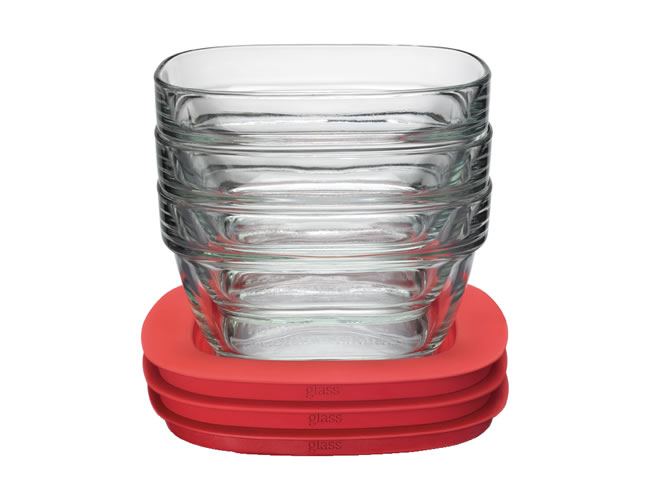
- Separate tomorrow’s portion rather than leaving it in the serving pan.
- Use a shallow container so the food can cool quickly.
- Refrigerate promptly, within two hours—or within one hour when exposed to temperatures above 90°F.
- Check refrigerator temperature: 40°F or below.
FoodSafety.gov supports these cooling and temperature checks. (foodsafety.gov)
Label the container with the cooking date and intended eating date. USDA’s general guidance is to keep leftovers refrigerated for three to four days. Hot food can go directly into the refrigerator; you do not need to leave it on the counter until it reaches room temperature. When reheating leftovers, reach 165°F and check several places if using a microwave. (fsis.usda.gov)
Next-day lunch is a useful planning habit, but it is not a substitute for safe cooling, storage and reheating.
6. Freeze suitable components—not every finished meal
Freezing needs two separate checks:
- Safety: Was the food handled safely before freezing?
- Quality: Will you still want to eat it after thawing?
FoodSafety.gov notes that freezing does not destroy harmful germs. Freezing is therefore not a way to rescue food that has been mishandled. (foodsafety.gov)
Recipe components also behave differently. The National Center for Home Food Preservation identifies these common quality problems:
| Component | Possible result after freezing and thawing |
|---|---|
| Raw lettuce, cucumber and other salad vegetables | Limp or waterlogged texture |
| Sour cream used as a topping | Separation and watery texture |
| Milk-based sauces | Curdling or separation |
| Fried foods | Loss of crispness |
| Cooked rice or pasta frozen alone | Mushiness and quality loss |
These are quality limitations, not a statement that every dish containing those ingredients is unsafe to freeze. (nchfp.uga.edu)
For a kit with a hot main dish and fresh salad, consider freezing the suitable main component separately and keeping the salad for prompt refrigerated use. Check recipe-specific guidance before freezing the entire plate.
Soups and stews can be candidates for a freezer plan, subject to their ingredients. FoodSafety.gov lists two to three months of freezer storage for soups and stews; its freezer times are quality guidance for food kept continuously frozen at 0°F or below. (foodsafety.gov)
Label the food, date it and assign a future eating occasion. “I can freeze it” is only useful if “I will eat it” follows.
7. Make repeat meals and portion sizes work for you
Before choosing recipes, ask: Would I willingly eat this again tomorrow?
If the answer is no, do not automatically count its second serving as a dependable lunch. Choose another recipe, assign the portion to a suitable freezer plan, or reduce the order if the service allows it.
For a first box:
- Choose dishes you already expect to enjoy twice.
- Read the cooking instructions before selection.
- Check the required pans, equipment and pantry ingredients.
- Portion the finished dish deliberately.
- Note whether both portions worked as complete meals for you.
If you need extra food to make a serving satisfying, include that food in your cost calculation. If you eat both advertised servings at dinner, the recipe provided one eating occasion for your household—not two.
You can also cook only part of a kit, but that still leaves ingredients requiring storage and another cooking session. For an initial trial, cooking the full two-serving recipe and safely storing one portion is often a simpler plan to manage.
If repeat meals or cooking sessions do not suit you, compare prepared meals separately. Tempo’s single-serving microwaveable format illustrates that alternative, but a single-serving tray does not automatically mean a one-meal minimum order. (support.homechef.com)
8. Avoid these mistakes before the next box
Use this checklist after your trial order:
- Counting recipes as individual meals: Multiply recipes by servings, then check the actual meals eaten.
- Buying extra to unlock a lower unit price: Compare the larger total with additional meals you genuinely need.
- Planning every recipe for the weekend: Check raw-ingredient storage windows first. (foodsafety.gov)
- Treating the freezer as a rescue option: Freeze safely handled food, not food already left out too long. (foodsafety.gov)
- Counting stored portions as savings already achieved: Track whether you later eat them.
- Ignoring repeat-meal fatigue: Select recipes for both the first and second eating occasion.
- Ordering during a disrupted week: Check your calendar and the provider’s change or skip deadline.
For example, HelloFresh’s published how-it-works page states a cutoff of 11:59 p.m. PST five days before delivery. Use the deadline displayed for your account and do not assume another service follows the same rule. (hellofresh.com)
The best fit for one person is the order you can cook, store and finish comfortably. Judge the trial by meals eaten, full cost and cooking effort—not by the number of servings printed on the plan.