Quick answer
Plan your meal-kit week around the ingredient that needs attention first—not the order of the recipe cards. Check package instructions, refrigerate perishables promptly, and use ingredient-specific storage guidance. Raw chicken and ground meat generally have shorter refrigerator windows than whole cuts of beef or pork. If an evening becomes uncertain, freeze suitable ingredients while they are still safely stored rather than waiting until the weekend. Keep your refrigerator at 40°F or below. (foodsafety.gov)
1. Make refrigerator space before delivery day
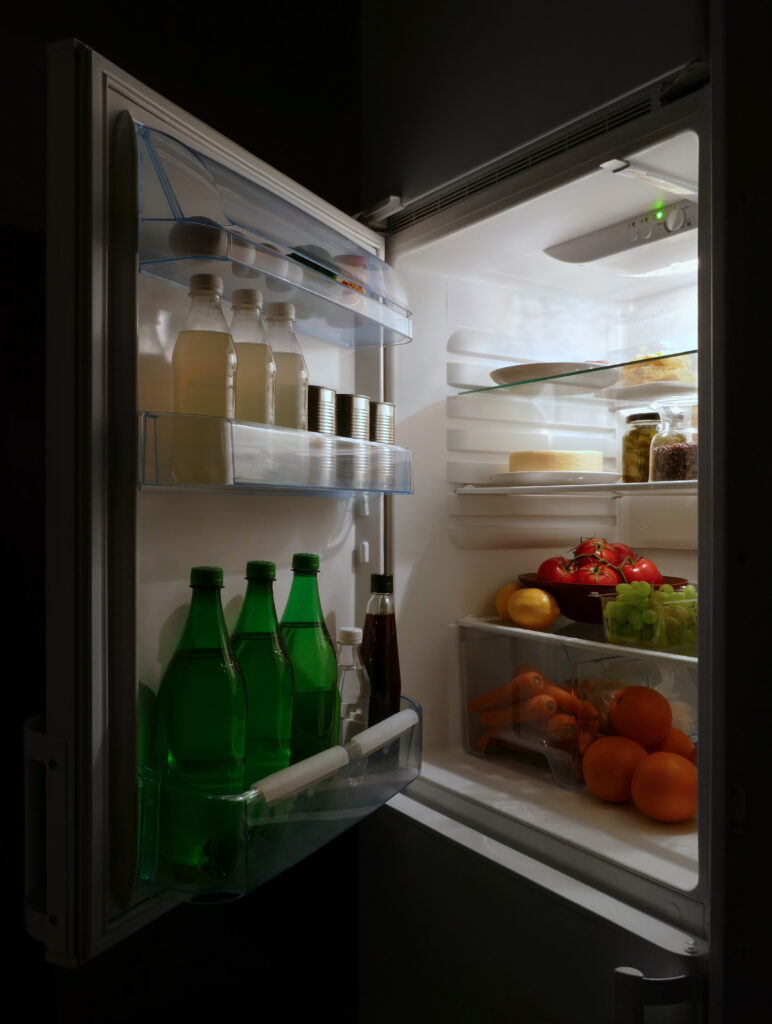
Before the box arrives, clear space for three things: refrigerated ingredients, securely contained raw proteins, and containers of cooked leftovers. Do not fill every gap. Cold air needs room to circulate, and an appliance thermometer is a better check than assuming the refrigerator’s control setting is accurate. The freezer should be 0°F or below. (fda.gov)
Use a simple layout:
- Keep recipe ingredients grouped where practical.
- Put raw meat, poultry, and seafood in leakproof containers, separated from ready-to-eat food.
- Reserve an accessible place for ingredients you intend to use first.
- Leave room for leftovers rather than planning only for unopened kits.
Sealed containers or secure wrapping help prevent raw juices from reaching other food. (cdc.gov)
Arrange for someone to unpack the delivery promptly. Check packaging and use a food thermometer to check perishables: shipped food should arrive frozen, partly frozen with ice crystals, or at 40°F or below. If it arrives above 40°F, notify the company and do not eat or taste it. A reassuring smell does not establish safety. (foodsafety.gov)
The delivery box is not your weekly storage system. Once the food passes those checks, put perishables away before studying the recipes.

2. Give each recipe its own storage plan
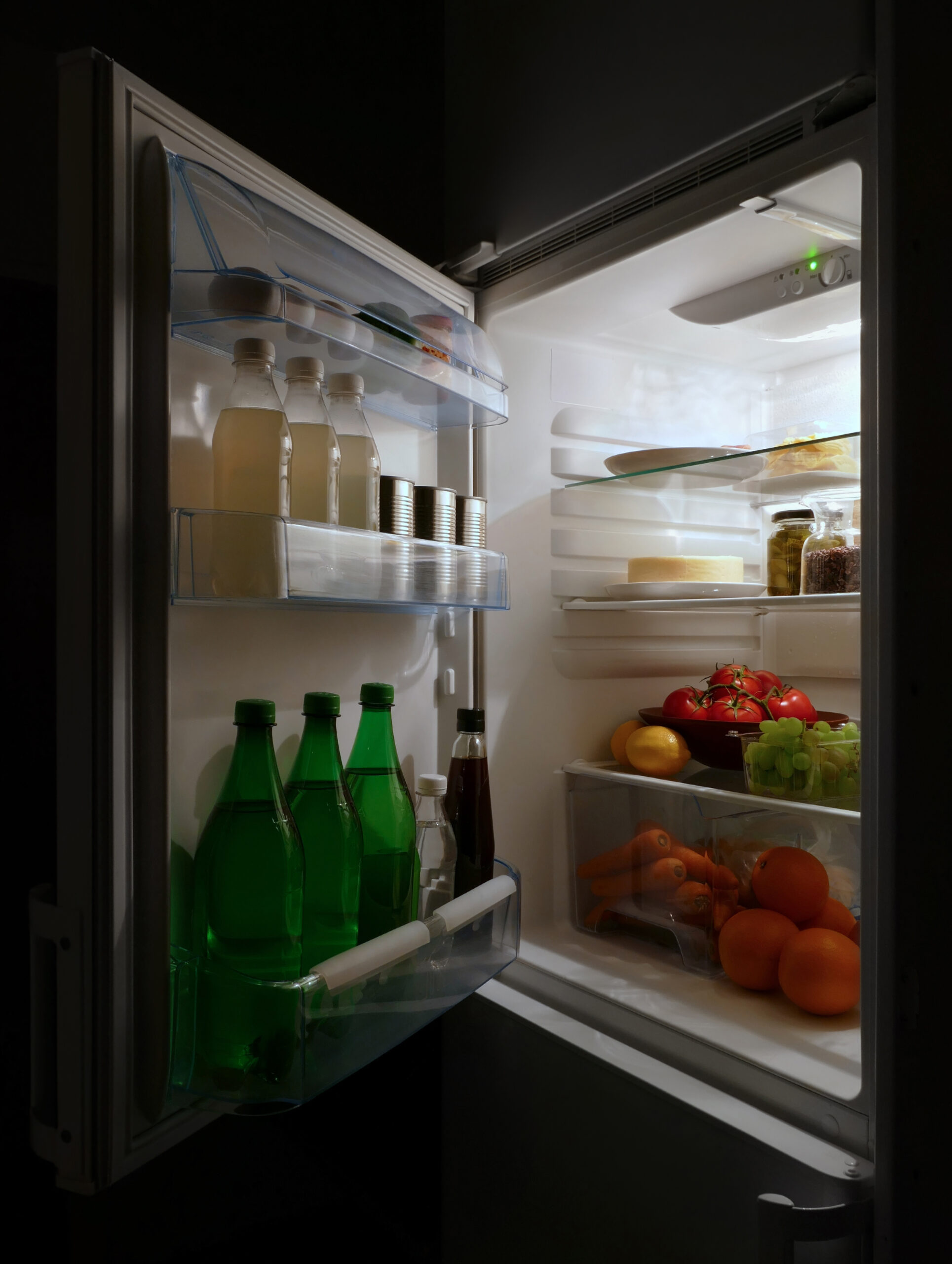
Do not assign one shelf life to the whole box. A recipe may combine raw poultry, vegetables, dairy, and dry ingredients, each with different requirements.
Start with the package and provider’s meal-specific instructions. Then use authoritative home-storage guidance to identify ingredients that need early action.
| Ingredient | General refrigerator guidance at 40°F or below | Planning implication |
|---|---|---|
| Raw chicken or turkey, whole or pieces | 1–2 days | Schedule early or freeze promptly if appropriate |
| Ground meat or ground poultry | 1–2 days | Do not reserve for an uncertain late-week evening |
| Raw beef, pork, lamb, or veal steaks and chops | 3–5 days | Potentially more scheduling flexibility |
| Fin fish | 1–3 days | Make an early plan; check species and package instructions |
| Cooked meat or poultry leftovers | 3–4 days | Assign a lunch or another dinner |
These are general home-refrigerator guidelines, not a guarantee for a particular delivered ingredient. (foodsafety.gov)
For produce, dairy, sauces, and partially prepared ingredients, check the individual label rather than borrowing the protein’s storage window. Refrigerate anything marked “Keep Refrigerated.” (fda.gov)
Write a short note for each recipe:
“Cook Tuesday; freeze chicken if Tuesday changes; check vegetable and dairy instructions separately.”
That is more useful than “use sometime this week.”
Date wording also needs care. Many food dates describe quality rather than a safety cutoff. A printed date does not cancel the need for correct temperatures and handling. (fda.gov)
3. Match cooking effort to the evenings you actually have
Choose your cooking nights before assigning recipes. Mark each evening as:
- Reliable: you expect to be home and able to cook.
- Tight: you need a straightforward preparation.
- Uncertain: meetings, travel, or family plans could intervene.
Next, read the full instructions. Count the tasks that matter to you: chopping, grating, boiling, roasting, sauce-making, and washing equipment afterward. Do not plan solely from the recipe’s headline time.
For example, HelloFresh’s published Zucchini & Parmesan-Crusted Chicken recipe involves grating and squeezing zucchini, preparing potatoes and green beans, baking chicken, and mashing potatoes. Its instructions overlap the chicken cooking with the vegetables. That makes it a useful example of why sequencing—not just a time estimate—matters. (hellofresh.com)
Save a more involved recipe for a reliable evening. If its ingredients cannot safely wait, freeze an appropriate component early or choose a different cooking night.
Keep one non-kit backup dinner available. The point is to have something to eat without forcing a rushed decision about an ingredient’s safety.
4. A three-dinner schedule with one missed cooking night
Here is an illustrative plan, not a tested subscription box or a promise about any provider’s ingredients.
Assume a Monday delivery containing:
- A salmon dinner.
- A chicken dinner with zucchini, potatoes, green beans, and dairy ingredients.
- A bean-and-pepper dinner with rice.
All perishables arrive at a safe temperature. Package instructions permit the proposed storage and freezing, and the ingredients remain appropriately refrigerated.
| Day | Original plan | Revised action |
|---|---|---|
| Monday | Cook salmon | Cook salmon; put away the other ingredients and record their instructions |
| Tuesday | Cook chicken | Plans change at lunchtime; freeze the safely refrigerated chicken in suitable packaging |
| Wednesday | Cook bean-and-pepper dinner | Cook that dinner; move the chicken to the refrigerator to thaw for Thursday |
| Thursday | No kit scheduled | Cook chicken once thawed, using only accompanying ingredients still suitable under their own instructions |
The plan protects the short-window protein rather than shifting the entire chicken kit several days forward. Freezing stops most bacteria from growing, but it does not kill most bacteria or make previously mishandled food safe. (fda.gov)
Thaw the chicken in the refrigerator, contained so it cannot leak. Do not assume every package will thaw on the same schedule; check before starting dinner and allow more time if necessary. Never thaw it on the counter. (cdc.gov)
The vegetables and dairy still need separate decisions. If their instructions do not support holding them until Thursday, use them earlier or replace them. Freezing the chicken does not preserve everything else in its recipe bag.
A useful calendar reminder is: “Tuesday noon: confirm chicken dinner or freeze.” Make the decision before the evening disappears.
5. Prepare in a safe order, not all at once
Advance preparation should solve a specific problem. Reading the recipe, gathering utensils, and checking pantry ingredients may be enough; you do not need to open and chop the entire week’s box.
On cooking night:
- Read every step before starting.
- Set out equipment and shelf-stable ingredients.
- Prepare produce using clean equipment.
- Handle raw protein separately.
- Clean utensils, boards, and surfaces that touched raw food.
Use separate cutting boards for raw meat and foods that will be eaten without further cooking. Rinse produce under running water; produce labeled prewashed does not need washing again. Do not wash raw meat, poultry, or seafood, because that can spread germs. (foodsafety.gov)
Follow the recipe’s intended overlaps rather than inventing shortcuts. Keep refrigerated ingredients cold until needed, and return them promptly if preparation is interrupted.
Check doneness with a food thermometer, not the timer alone. CDC guidance lists 165°F for poultry, 160°F for ground beef or pork, and 145°F for whole cuts of beef or pork followed by a three-minute rest. (cdc.gov)
6. Freeze components thoughtfully, then plan the thaw
When plans change, assess the ingredients individually.
For suitable raw proteins, use freezer-appropriate packaging, retain identifying information, and label the freezing date and intended recipe. Make the decision while the food is still safely handled—not after storage has become questionable.
Do not assume a recipe bag can go into the freezer unchanged. Freezing can soften produce substantially; lettuce, for example, is not usually frozen because of the texture change. Many vegetables need blanching before freezing to preserve quality. (extension.umn.edu)
Green beans provide a practical example: University of Minnesota Extension recommends blanching snap, green, or wax beans for three minutes in boiling water, followed by prompt cooling and draining before preservation. Simply freezing a raw bag is not the same process. (extension.umn.edu)
Plan thawing when you plan freezing:
- Refrigerator: use a container to catch leaks and allow enough time.
- Cold water: use leakproof packaging, change the water every 30 minutes, and cook immediately after thawing.
- Microwave: follow the appliance’s defrosting instructions and cook immediately afterward. (extension.umn.edu)
If thawing and cooking no longer fit the evening, use the backup dinner. Do not improvise with a countertop thaw.
7. Give leftovers a destination before cooking
Before you cook, decide whether any extra portion is intended for tomorrow’s lunch, another dinner, or freezing.
Refrigerate perishable leftovers within two hours, or one hour when exposed to temperatures above 90°F. Divide warm food into clean, shallow containers. Small portions of hot food can go directly into the refrigerator; waiting for them to reach room temperature is unnecessary. (cdc.gov)
Label containers with the cooking date and a planned eating date. If you do not expect to eat suitable leftovers within their refrigerator window, plan to freeze them instead.
When reheating, check that leftovers reach 165°F. In a microwave, spread food evenly and stir partway through heating to reduce cold spots. (foodsafety.gov)
Keep uncooked garnishes or salad separate when practical so you can reheat the cooked portion without heating everything together.
For a single-person household ordering a multi-serving recipe, treat the extra portion as a scheduled meal—not as an assumed extension of the raw ingredients’ storage life.
8. Reduce unused ingredients without stretching safety rules
Use the missed evening to reconsider individual ingredients, not just postpone the recipe.
Practical options include:
- Use suitable vegetables as a side for another dinner.
- Keep unopened shelf-stable packets with their labels for a later recipe.
- Cook a safe ingredient separately if the full recipe no longer fits.
- Freeze an appropriate component using its recommended method.
- Reduce next week’s order if you repeatedly miss cooking nights.
Avoid three common mistakes:
Moving every recipe forward together. Recheck the affected ingredients separately.
Treating the freezer as a rescue for questionable food. Freezing does not undo unsafe handling. (fda.gov)
Using smell or a taste test as permission to keep food. Unsafe delivered food can look and smell normal. (foodsafety.gov)
Finish delivery day with this checklist:
- Perishables passed temperature and packaging checks.
- Raw proteins are contained and separated.
- Each recipe has a cooking night.
- Uncertain nights have an early decision reminder.
- Freezing and thawing instructions are understood.
- Leftovers have a planned destination.
A successful meal-kit week does not require following the original calendar perfectly. It requires changing the plan early enough to keep ingredient handling safe.